Blog
Minimalism in interior design – how to achieve a striking décor without overwhelming the space?
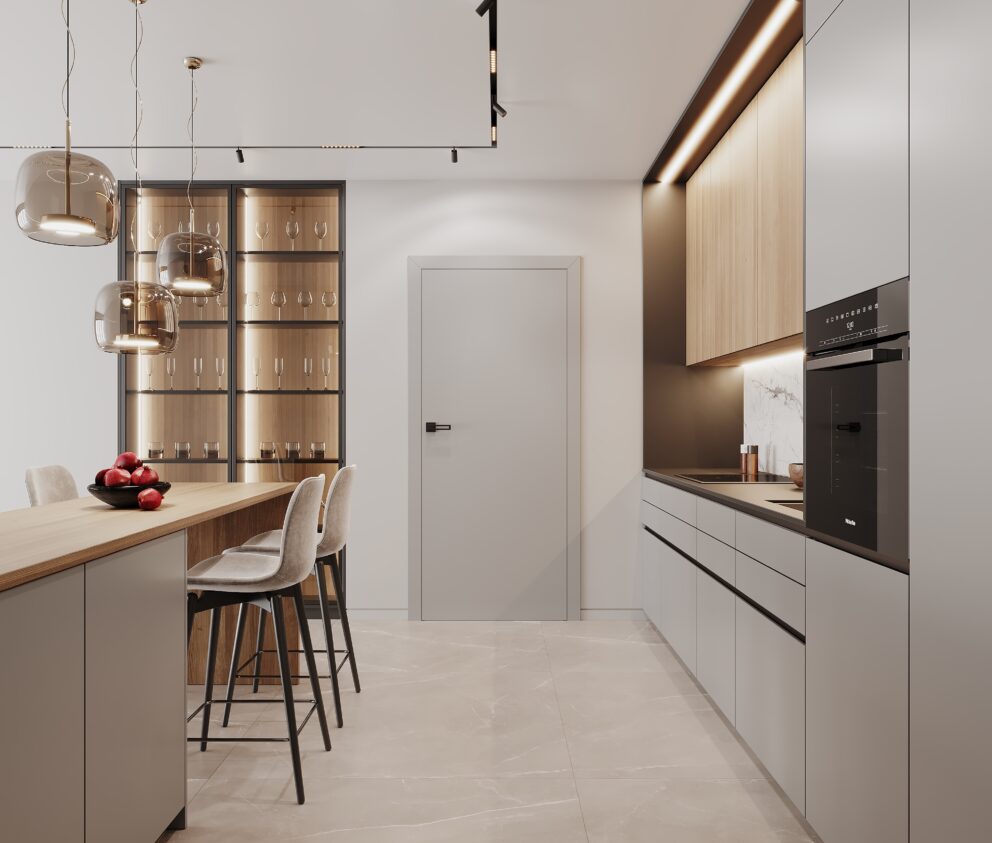
The key issue in a minimalist interior is attention to detail and balance. The right proportions and carefully selected elements will make the room look aesthetic and at the same time functional. Order, subdued colours, simplicity and harmony – these are the basic principles of a space under the sign of minimalism. Read our guide to designing interiors in this style and be inspired by ideas for […].

The key issue in a minimalist interior is attention to detail and balance. The right proportions and carefully selected elements will make the room look aesthetic and at the same time functional. Order, subdued colours, simplicity and harmony – these are the basic principles of a space under the sign of minimalism. Read our guide to interior design in this style and be inspired by ideas for subdued furnishings and decorations.
Less is more…
…is the basic principle in designing a minimalist interior. In short, it means limiting unnecessary elements that can intensify the impression of chaos and disorder in favour of a functional space. Contemporary minimalism derives from Far Eastern culture and art, in which home space is meant to give the mind a chance to rest from stimuli. Japanese design also places greater emphasis on ecological and conscious choices, and less on a consumerist approach to life.
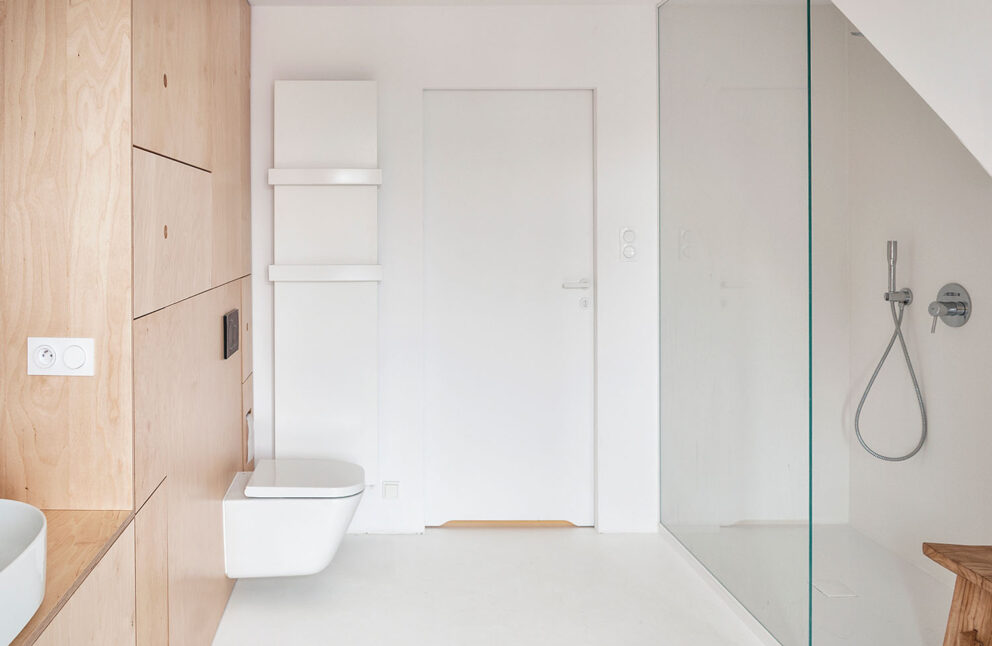
8 elements of a minimalist décor
Colours:
- Choose calm, light colours such as white, grey, beige or pastels – they will optically enlarge the space
- You can opt for accents in one intense colour to add character to the interior.
Furniture:
- Go for simple forms and functionality. Furniture should be ergonomic and at the same time minimalist.
- Less is more – limit the number of furniture pieces to avoid cluttering the space.
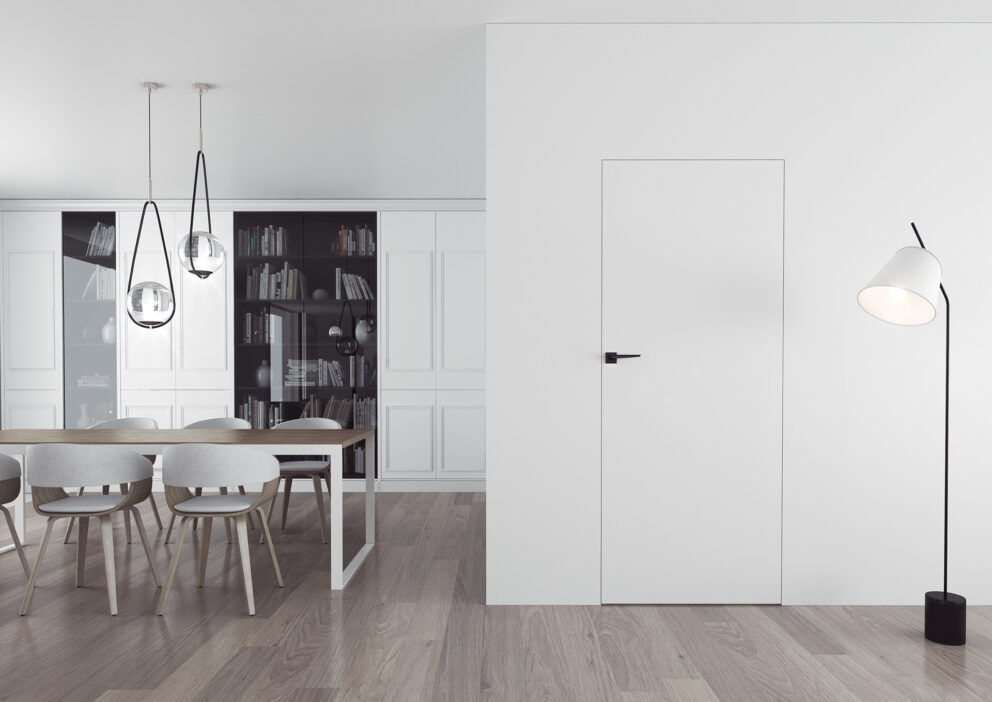
- Choose minimalist joinery – windows without muntins and concealed or sliding doors
Space:
- Leave plenty of space between furniture pieces; this will give the interior a light feel.
- Avoid too many ornaments on the walls. You can opt for a single large work of art or minimalist posters.
Materials:
- Use natural materials such as wood, glass, stainless steel or stone.
- Avoid excessive use of patterns. If you do use them, choose simple and geometric patterns.
Lighting:
- Choose lighting with a minimalist design. A ceiling lamp with simple shapes or a pendant lamp with a thin cable are excellent options.
- Add several light sources to create different lighting levels.
Textiles:
- Use solid, simple fabrics in subdued colours.
- You can use cushions, rugs or curtains as subtle colour accents.
Storage:
- Choose furniture with built-in storage to keep things tidy.
- Use minimalist shelves or cabinets to store everyday items.
Plants:
- Add a few potted plants to bring freshness and pleasure to the interior.
- Choose plants with a simple shape to maintain consistency with the minimalist style.
Minimalist doors – a key element of the arrangement
From the above elements, a picture emerges of a space with subdued colours and clever solutions that support functionality or help aesthetically store items. However, the key element of a minimalist-style arrangement is interior doors. Because they appear throughout the home, they can significantly influence the final effect or ruin it. If you want to choose the right model for a subdued interior, follow the same principle as for the other furnishing elements.
Go for simplicity of form – doors with a smooth surface, without grooves, glass, ornaments and reliefs. A perfect example of interior doors with a minimalist form are the models Silia 10, Binito or the concealed Sara Eco 2 , which will allow you to achieve the effect of “disappearing doors”, and thus maintain minimalism and harmony. In addition, Sara Eco 2 doors make it possible to finish the leaf surface in the colours of the walls – painting or wallpapering.
If you are a wood lover, we recommend the Kioto collection from the DRE Supreme line, designed by Krzysztof Miruć. Kioto features an elegant and minimalist form, which we have combined with a pleasant-to-the-touch wood texture. If you prefer white or coloured doors, choose the Soho 5 model, also from the Supreme collection.
Functionality and space organisation – keep the balance
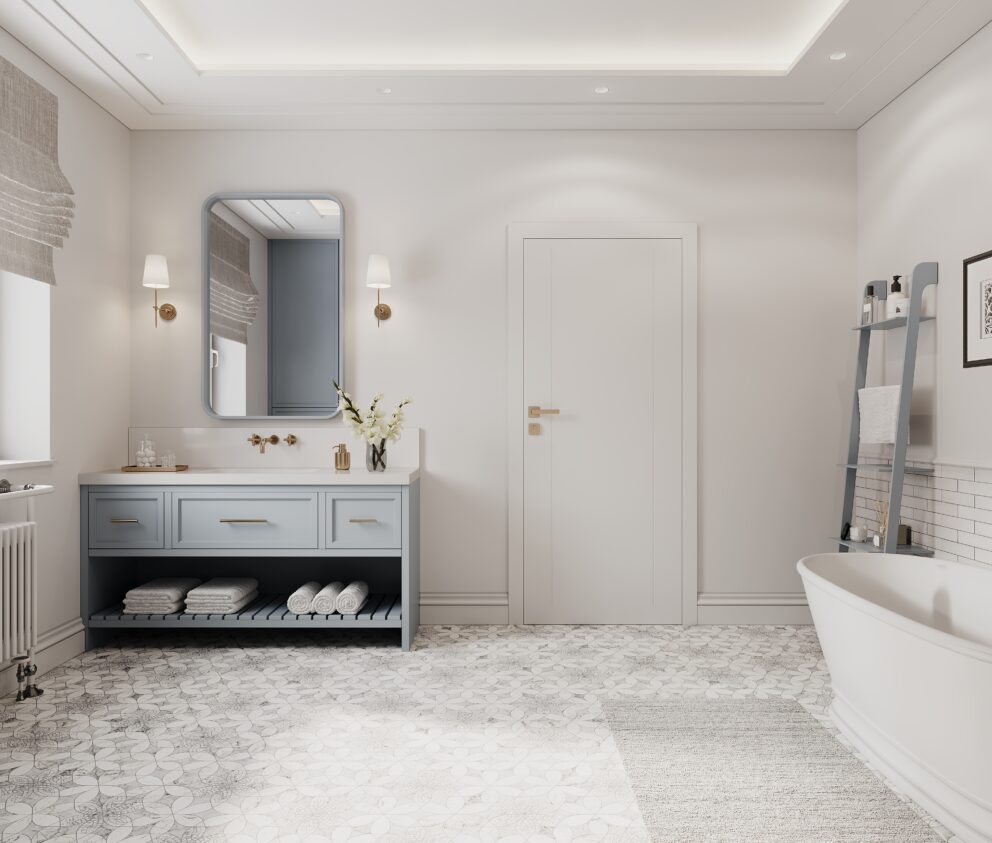
Minimalism has its fans and its opponents. In its favour are the ease of keeping rooms clean, more usable space, and more thoughtful purchases. In its ascetic form, as a life philosophy, minimalism would require us to empty most rooms. That is why, as in many other matters, the golden mean will work well here. If you allow yourself to be inspired by the best features of the minimalist style without giving up the items you have an emotional attachment to, you will certainly balance the profit and loss account. Remember, however, that if you enjoy constantly buying plants, trinkets and decorations, you will not be happy in minimalist interiors. If, however, you enjoy order and your eye is delighted by simple forms, harmony, moderation and thoughtful solutions – go for minimal.