
Blog
How to Furnish a Room for an Infant, Preschooler, and Student?
Creating a living space tailored to the needs of each age group is an extremely important task. A properly furnished room can significantly affect a child's comfort, development, and sense of security at every stage of life. Today we have prepared a guide that will help you create functional and pleasant interiors, adapted to the changing needs of an infant, student, or university student. A room for a new family member […]

Creating a living space tailored to the needs of every age group is an extremely important task. A properly arranged room can significantly influence a child's comfort, development, and sense of security at every stage of life. Today we have prepared a guide that will help you create functional and pleasant interiors, adapted to the changing needs of an infant, a schoolchild, or a student.
A room for a new family member – Safety and Stimulation
Infants need an environment that provides them with safety and sensory stimulation. When choosing furniture and decorations, it is worth opting for bright, friendly colors that help create a calm and positive mood. A key element is a comfortable crib with an adjustable height, which will make access easier for parents and adapt to the child's development. Additionally, a diaper shelf and a changing table are essential elements that make daily care easier.
The first months of a baby's life are a unique period in which we create their first impressions and encourage them to develop. It is important that a baby's room is safe and stimulating. DRE interior doors can provide an excellent backdrop for this magical place. When choosing colors, pay attention to subdued, relaxing shades that promote restful sleep. In such interiors, doors in shades of light wood or white will work well. Choose doors with narrow glazing. The light coming through them from the hallway, on the one hand, will not disturb the little one during sleep, and on the other, when the child wakes up at night, it will provide a sense of security that the parent is watching over from behind the wall.
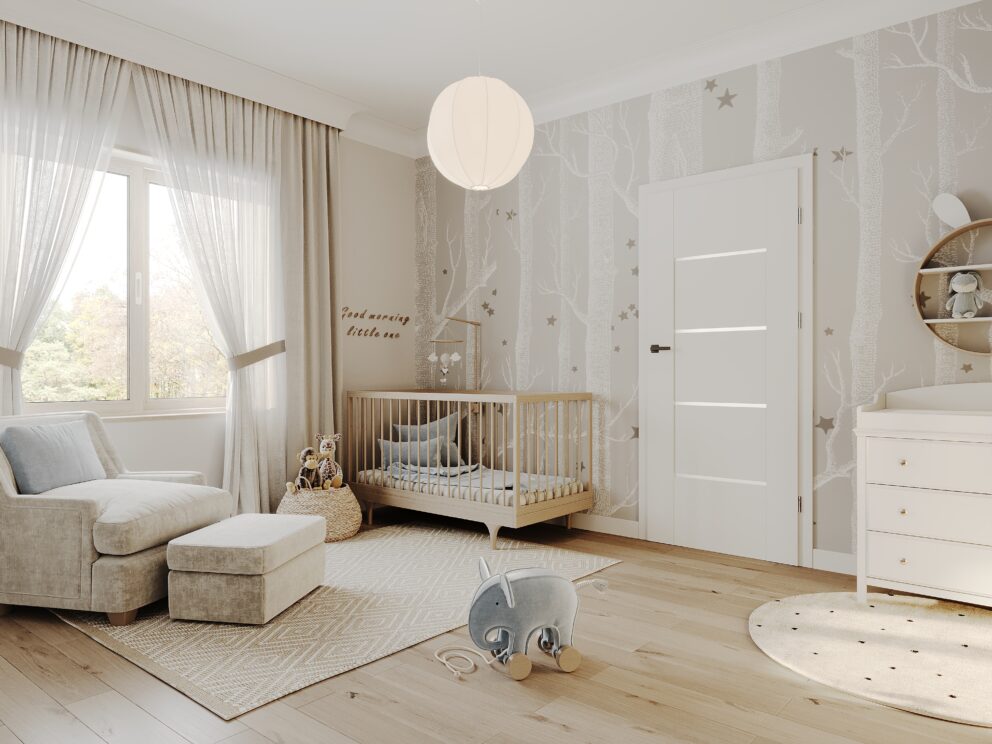
Additionally, doors with a good sound insulation system will help keep the room quiet, which is important for the healthy development of an infant. For a room that requires soundproofing, we recommend doors from the DRE Supreme series. In the KIOTO collection, a SILENT package is available at an additional cost, which provides acoustic insulation at a level of 37 dB. You can read more about our new product in our previous post. Would you like to bring a bit of a smile into the interior? Choose printed doors with your favorite childhood character.
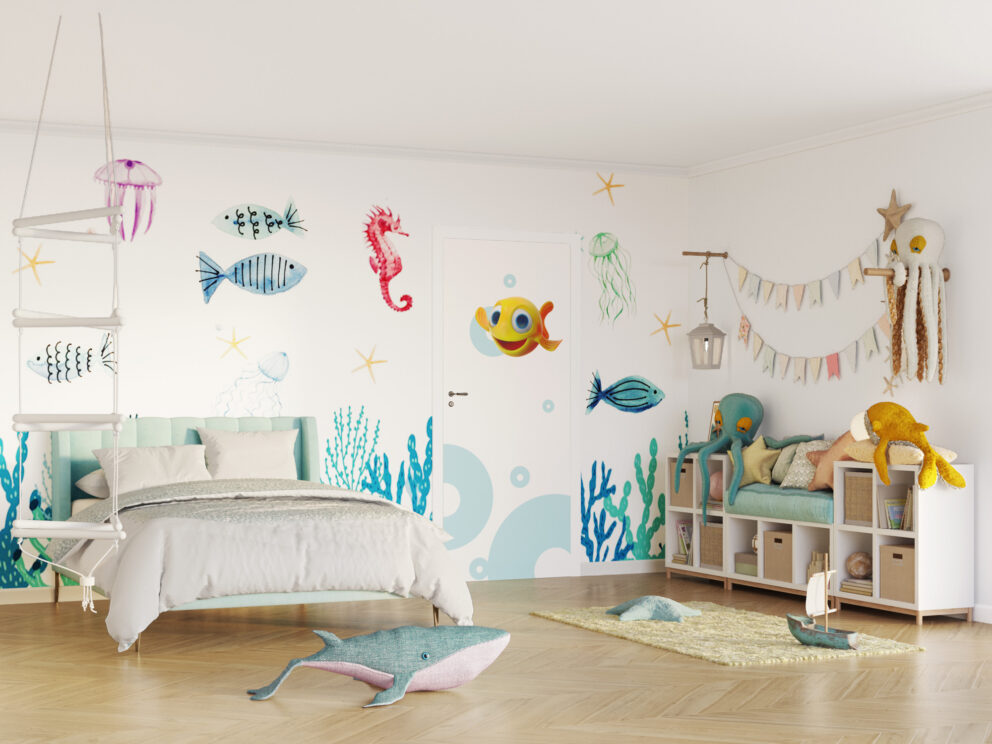
A room for a primary school student – Creativity and Concentration
Arranging a room for a primary school student is a much bigger challenge. It needs to combine several functions: a place for studying, for quiet time, but still also for play and for developing passions and interests. Design a comfortable study area with an ergonomic desk and appropriate lighting. To save space in a multifunctional room, you can choose sliding doors.
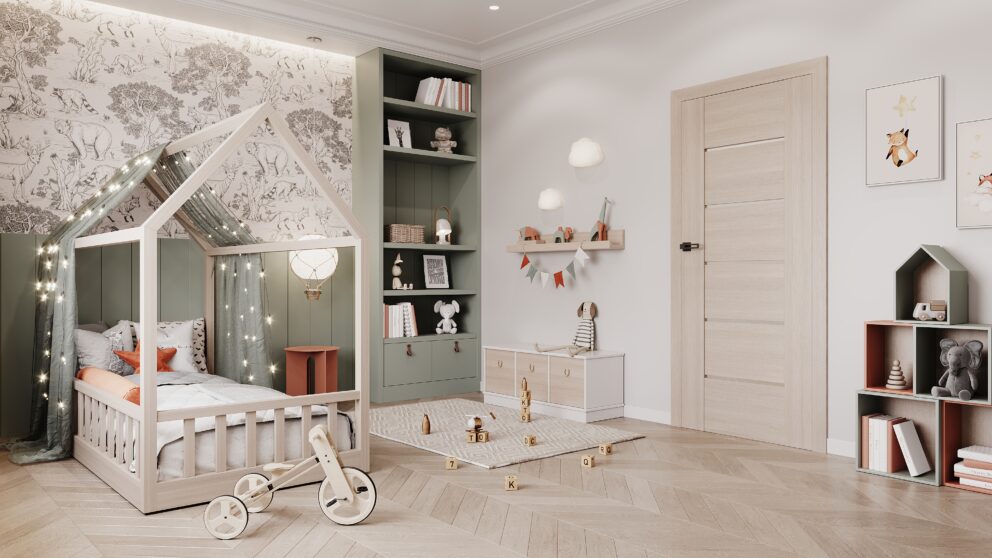
Use the walls to organize shelves for books, sports equipment, or creative hobbies. Remember that this is also the time when a child builds their identity – let them choose colors and accessories that reflect their personality. Tip: When choosing the Sara Eco 2 door coated with primer, you can paint it with magnetic or chalkboard paint, giving your child a surface for creative experiments.
When arranging a study space, follow a few golden rules that will ensure comfort while doing homework.
- Ergonomics Above All – the height of the desktop should allow free work with a computer or books, and the chair should provide proper back support. Choose furniture with adjustable height that will "grow" with your child.
- Adequate Lighting – natural light is best, but if we cannot influence it, choose bright, focused lighting. Avoid reflections on the monitor or books.
- Minimalism Promotes Concentration – limit the number of unnecessary items on the desktop or shelves that will distract the child.
- Functional Storage – an organized place for textbooks, notes, and supplies is essential. Shelves, drawers, or baskets will help keep things tidy
- Privacy and Focus – choose solid interior doors that provide privacy and acoustic insulation. This is especially important when other people in the home may generate noise.
- Technology in Its Place – ensure access to power and outlets so that charging devices or using a computer is not cumbersome.
- Space for Movement and Relaxation – arrange furniture in such a way that there is room for short breaks, stretching, or relaxation exercises.
- Student's Individuality – involve the student in the process of creating the space. Let them choose colors, accessories, or organizers that match their style and needs.
Room for a high school or university student – Organization and Relaxation
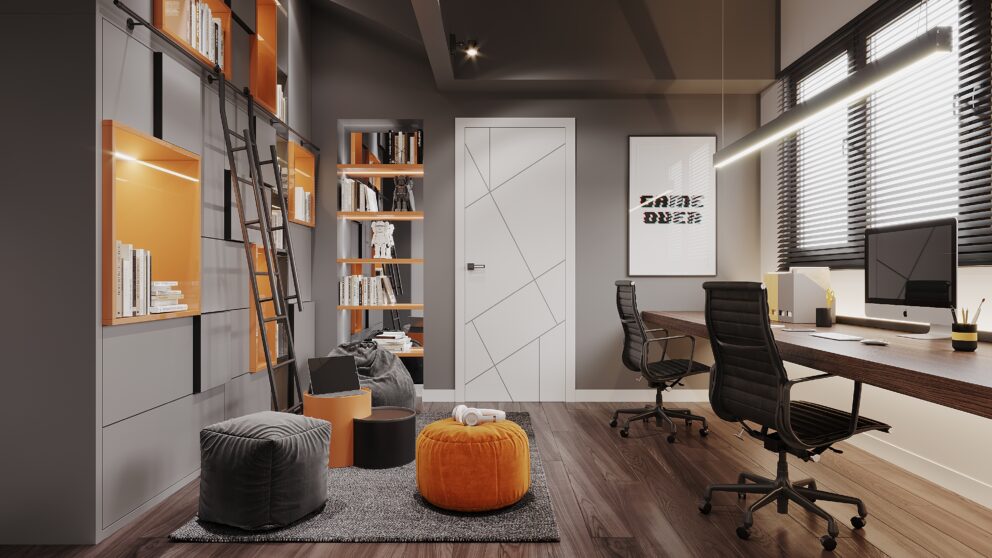
Creating an effective space for a high school or university student is a challenge that combines the need for organization, relaxation, and social life. A desk with adequate space for working on a project or studying, a comfortable chair, and sufficient lighting are the basic elements.
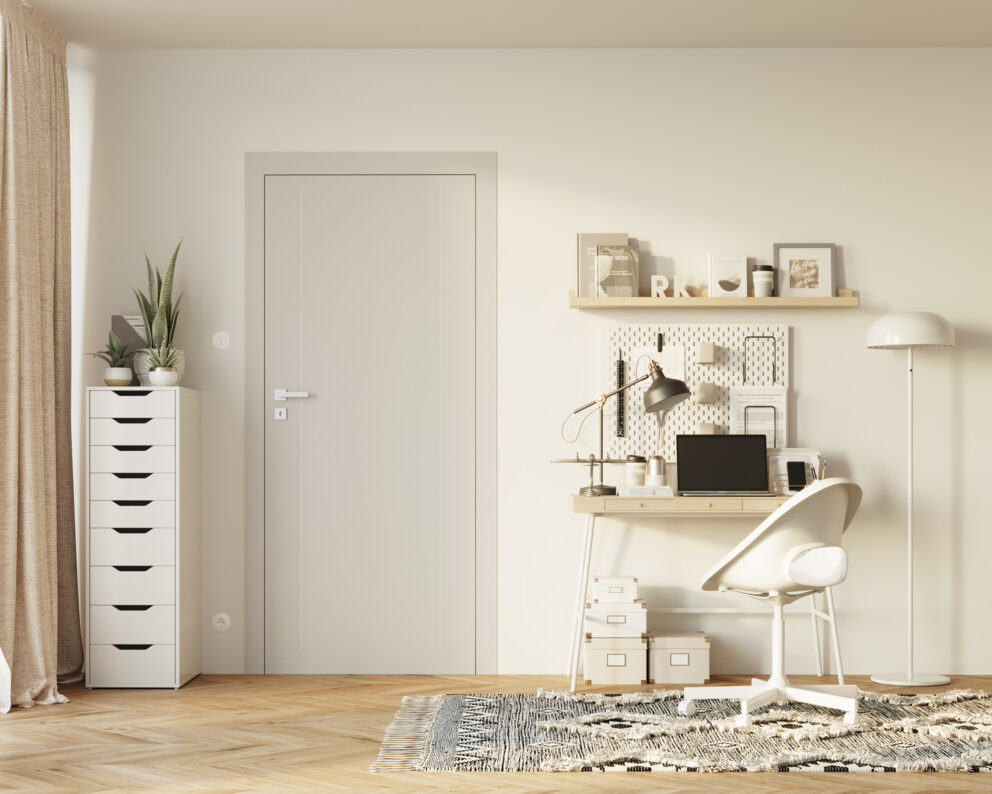
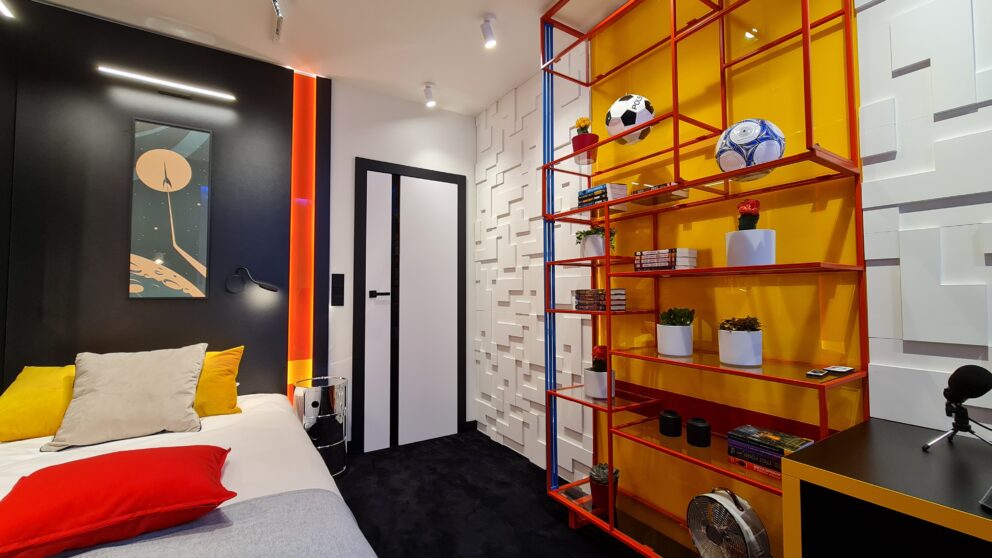
A teenager's room should include a comfortable space for hosting guests. If the floor area allows, in addition to a comfortable bed, it should include a small sofa, poufs, or armchairs where you can chat and relax. A teenager or student usually already has well-defined needs and tastes. It is worth listening to them. Young investors most often choose loft, techno, or boho style.
A room that adapts to age
Regardless of the age group, there are certain common elements worth considering when arranging a room. Storage space is an absolute necessity. Wardrobes, dressers and shelves will help keep things tidy and avoid clutter. Additionally, it is worth choosing universal colours and furnishings that, thanks to accessories, decorations and lighting, will change the character of the interior at every stage of a child's development.